Discover the Great Pyramids of Giza
The last surviving Wonder of the Ancient World, the pyramids of Khufu, Khafre, and Menkaure, the Great Sphinx, and thousands of years of history on the Giza Plateau.

The last surviving Wonder of the Ancient World, the pyramids of Khufu, Khafre, and Menkaure, the Great Sphinx, and thousands of years of history on the Giza Plateau.
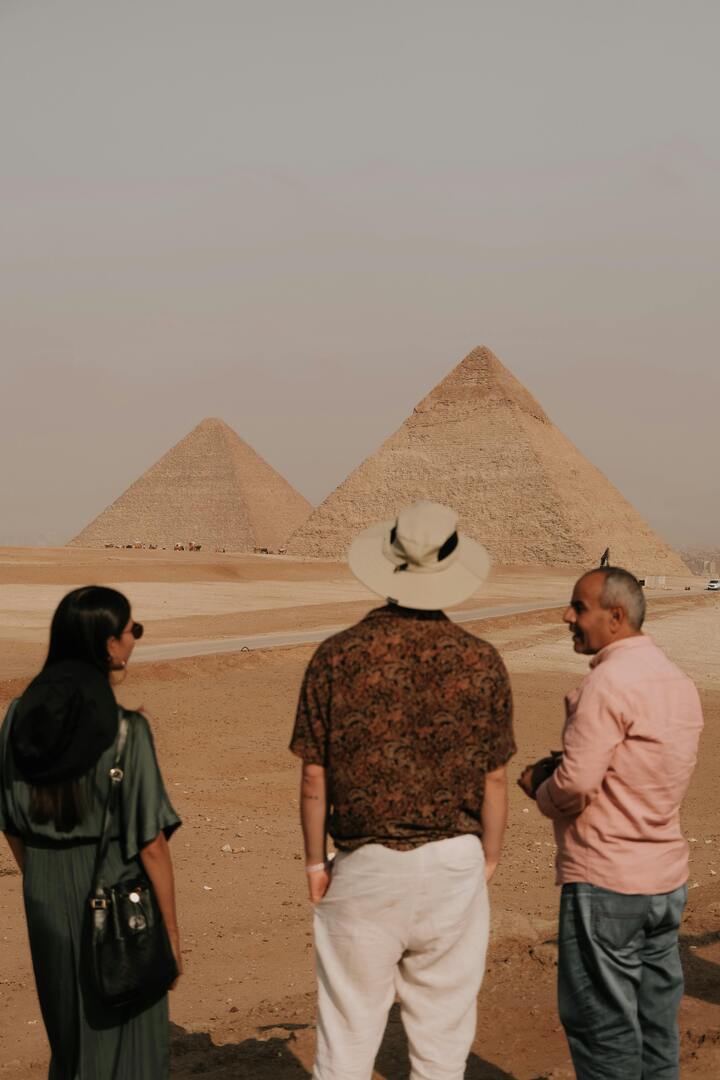
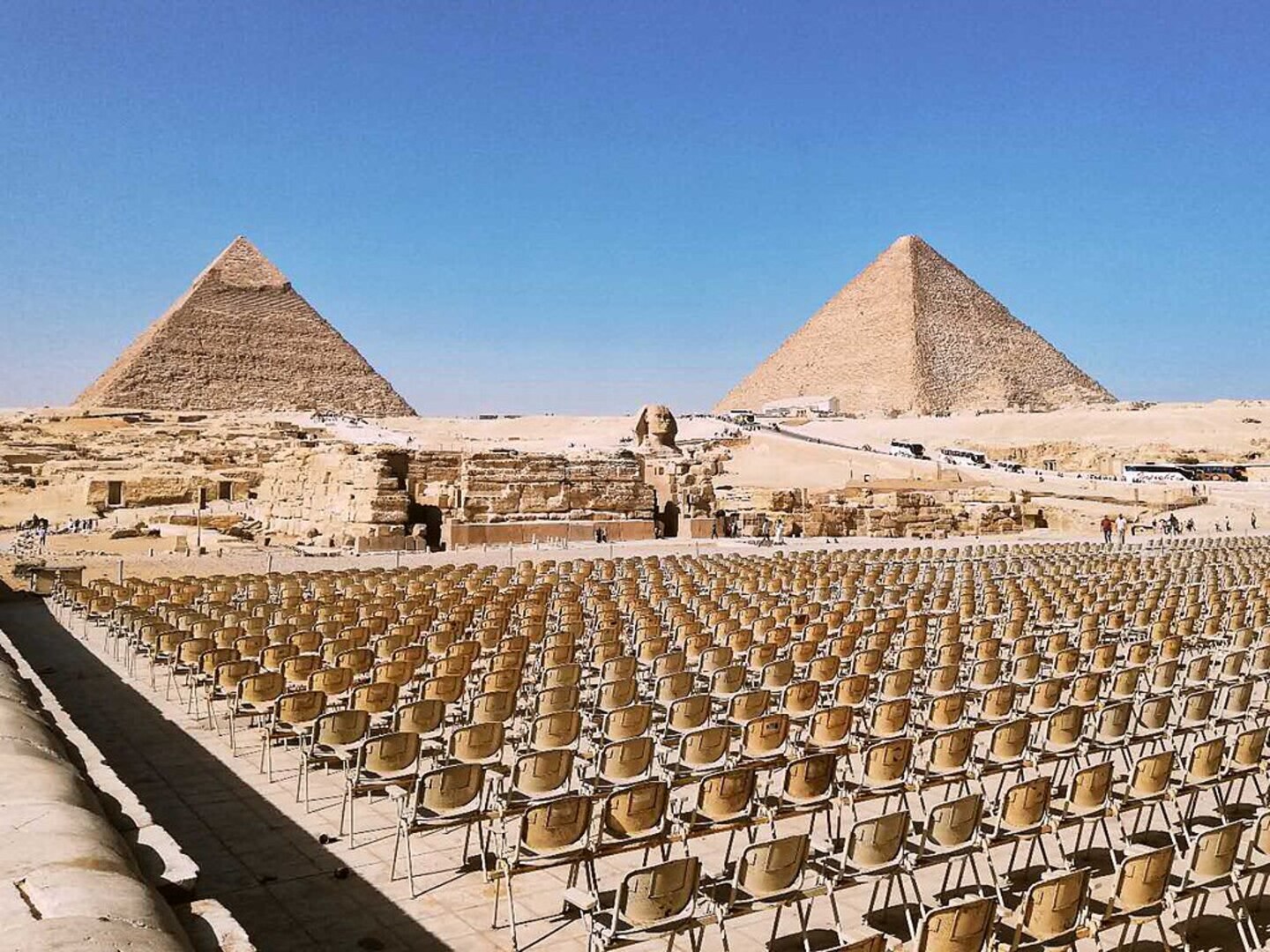


6 hours • all main pyramids & Sphinx • Egyptologist guide
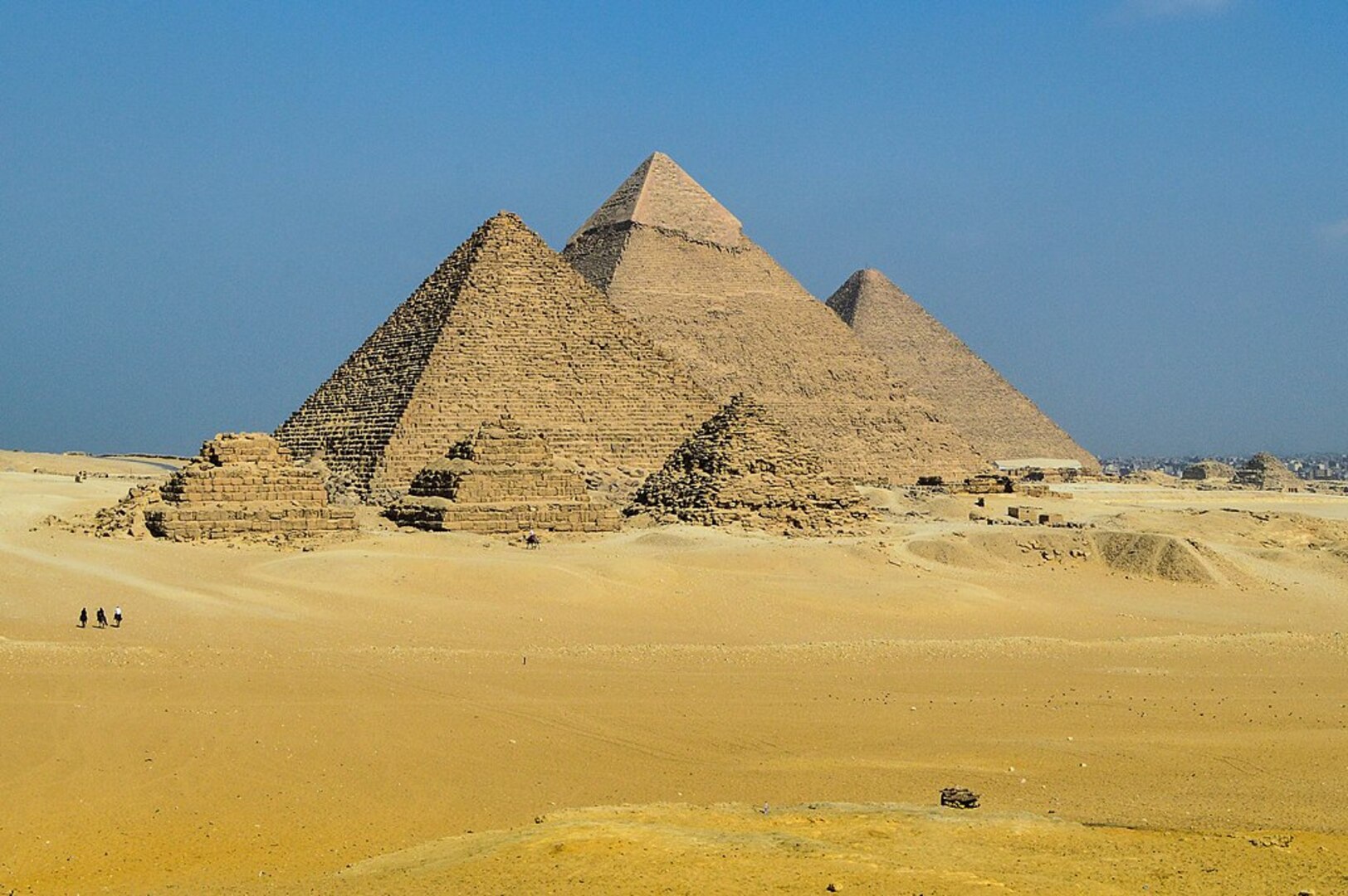
4 hours • skip-the-line options • self-guided pace
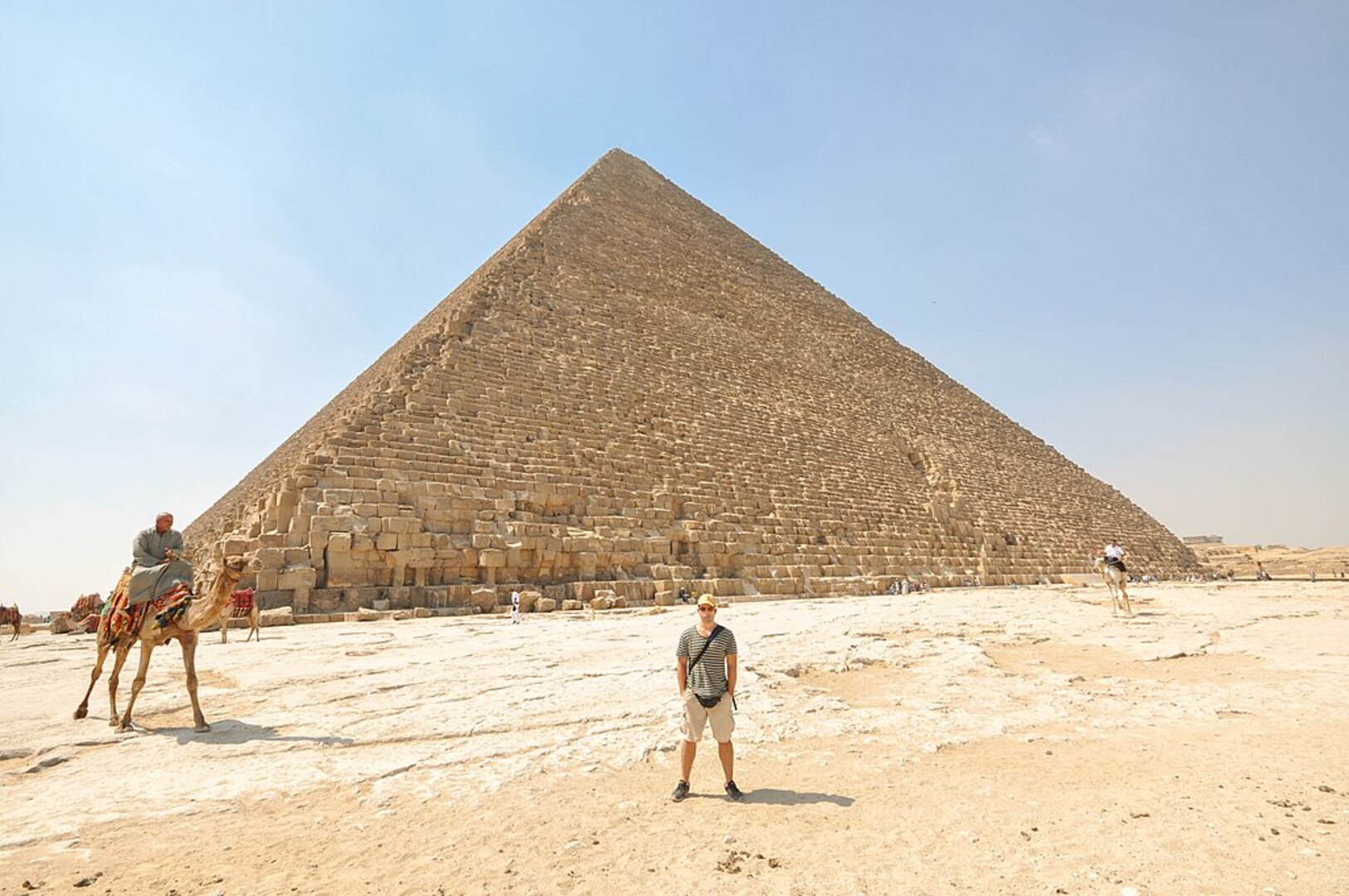
8 hours • private guide • premium pacing
Elevate your pyramid experience with a quadbike tour through the Giza Plateau. Explore the ancient wonders of the pyramids and the Sphinx up close and personal.

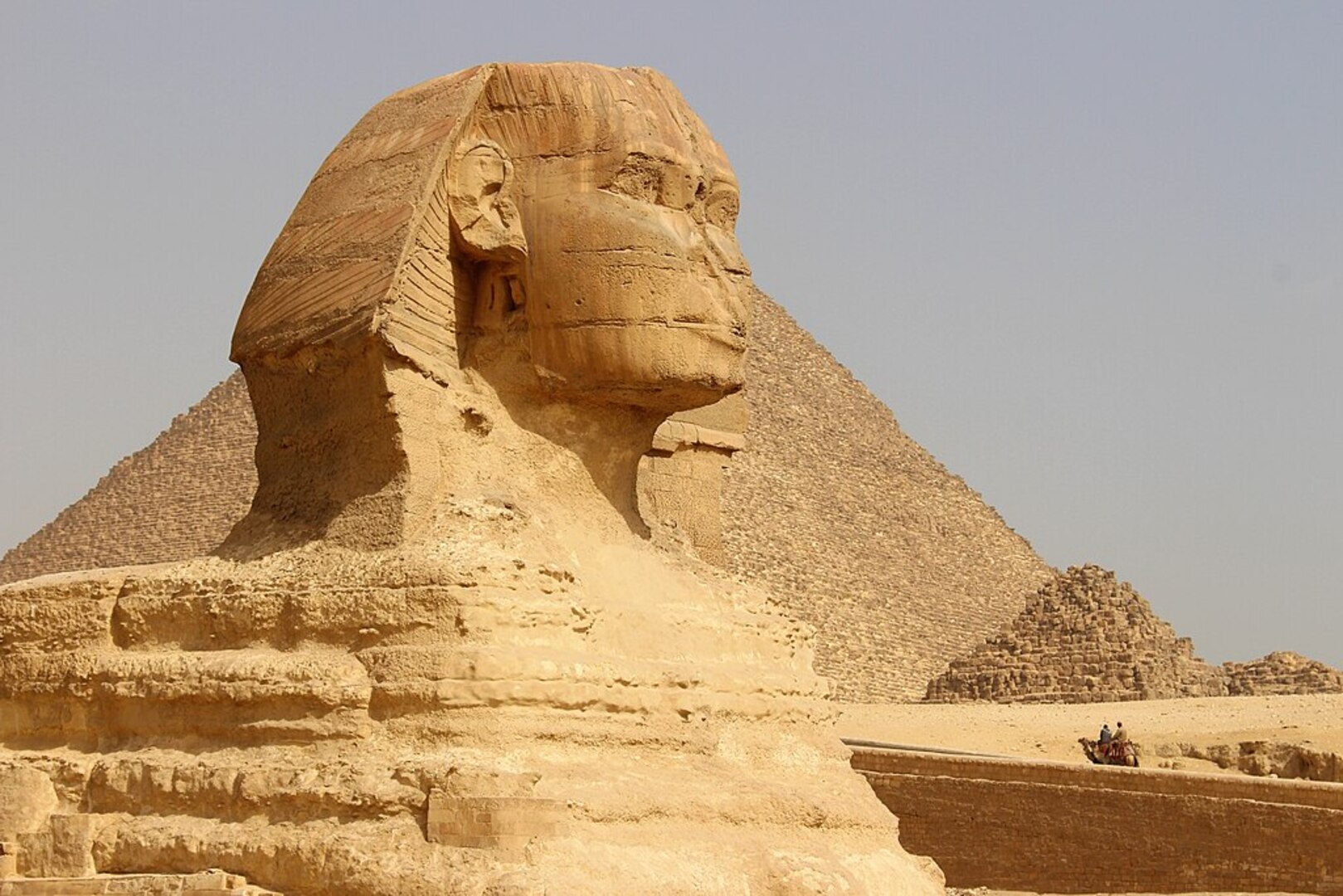
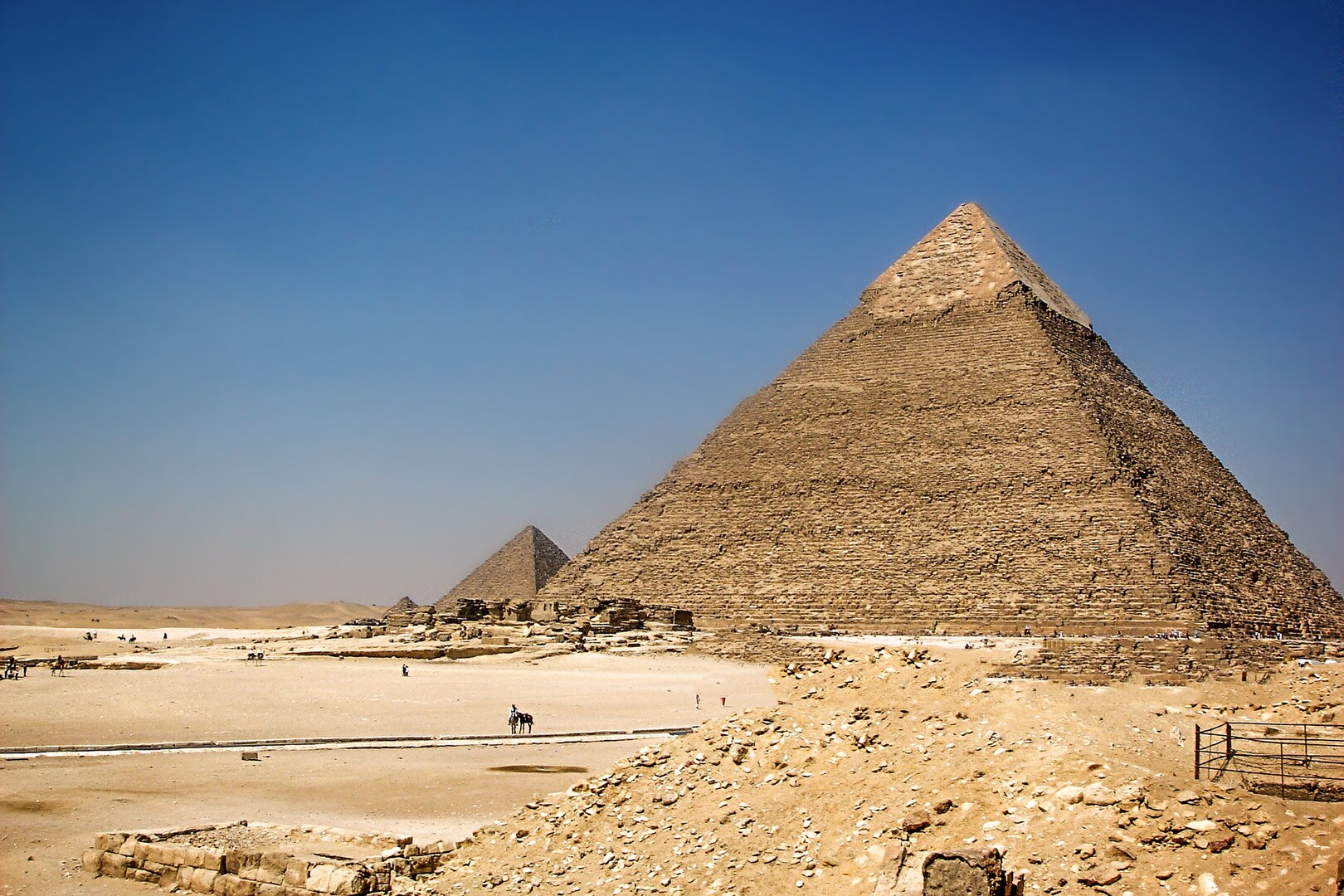

Walk the only surviving Wonder of the Ancient World and see engineering that has stood for more than four millennia.
Stand before the Sphinx and explore the plateau context of Khufu, Khafre, and Menkaure with guides who know the site’s layers of history.
Pair your visit with Cairo’s museums and Nile-side culture, early starts beat the heat and the busiest crowds.
How much time should I allow for exploring the Pyramids of Giza?
Allow at least a half day for the main pyramids and Sphinx. A full day lets you add museums, extra monument entries, or sunset views. Two days work well if you also want Memphis, Saqqara, or repeated entries.
Do I need a visa to visit Egypt?
Most visitors need an Egyptian visa, often available on arrival at Cairo or online in advance. Fees and rules change, confirm for your nationality and ensure your passport meets validity requirements before travel.
Are the pyramids suitable for families with children?
Yes. Open areas and the Sphinx are memorable for kids. Interior passages can be narrow, warm, and crowded, use judgment with very young children.
When is the best time to visit?
October to April typically offers more comfortable temperatures. Summer can be very hot; early morning or late afternoon visits are best then.
Do I need to speak Arabic?
English is common at major tourist sites and with tour operators. Learning a few Arabic greetings is appreciated but not required.
What should I know about culture and etiquette?
Dress modestly, especially at religious sites. Tipping is customary for guides and drivers. Haggling is normal in markets; agree prices before camel or horse cart rides.
What should I bring?
Sun hat, sunscreen, water, comfortable shoes, small bills for tips, and a charged phone or camera. A light scarf helps with sun and dust.
Built during Egypt’s Old Kingdom, the Giza pyramids and the Great Sphinx form one of the world’s most famous archaeological landscapes. The Great Pyramid of Khufu was the tallest human-made structure for millennia; together with the pyramids of Khafre and Menkaure they embody Old Kingdom royal burial traditions. Today the site is a UNESCO World Heritage property visited by millions, conservation, tourism management, and ongoing research continue to shape the visitor experience.
View tickets & tours
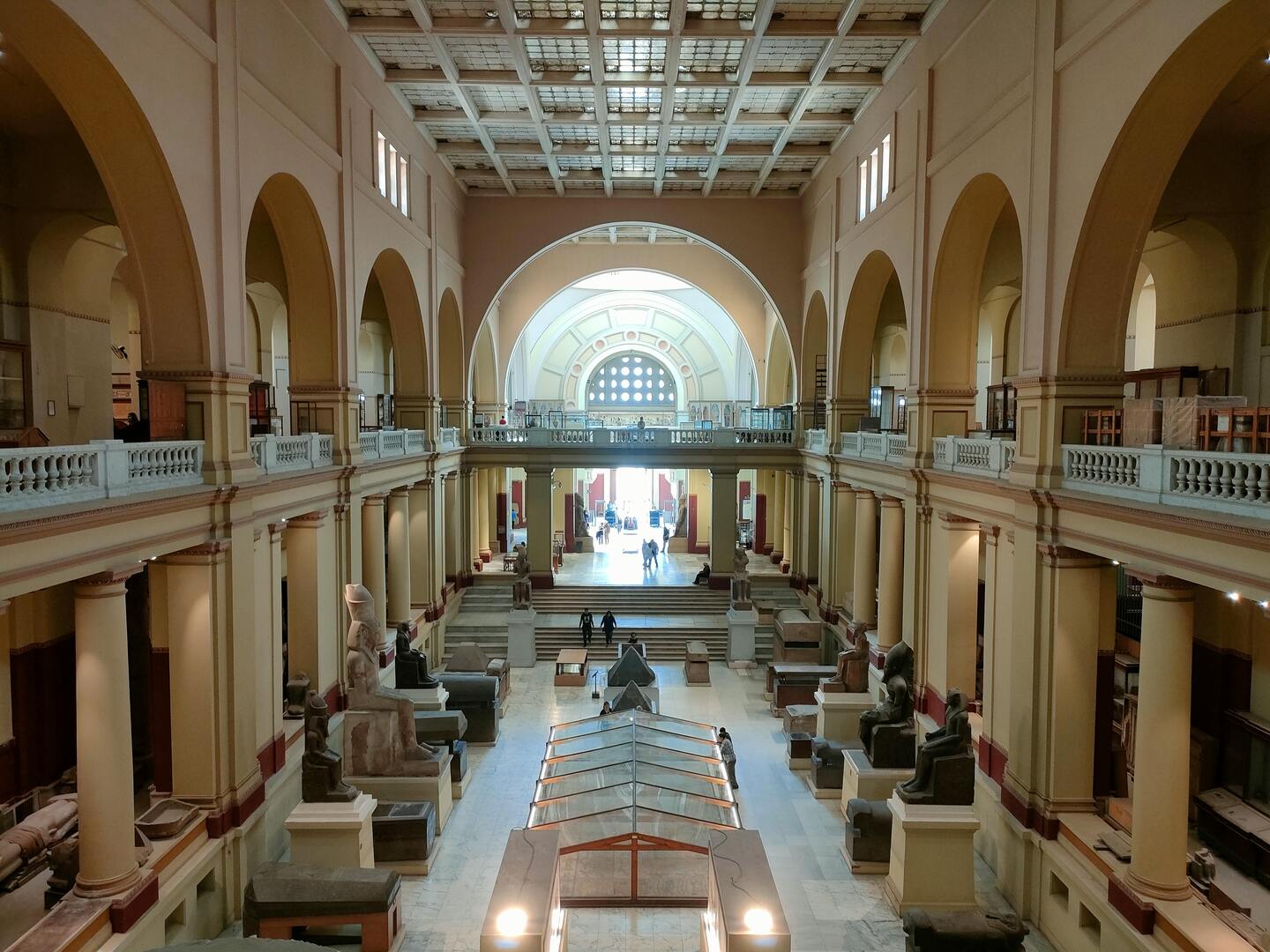
Museum experiences • ancient Egypt collections • combine with Giza visits
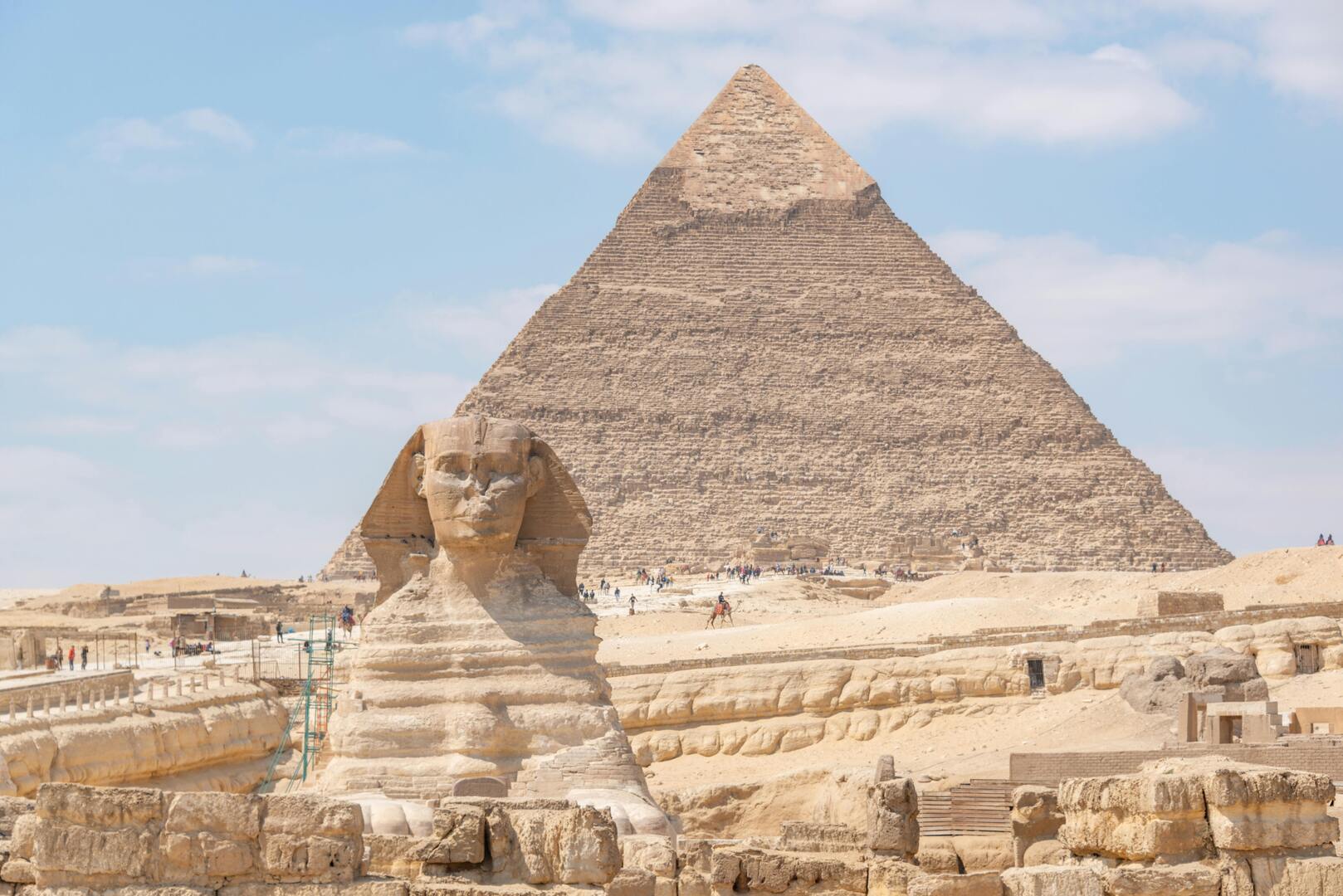
Plateau tours • monuments & viewpoints • mix of guided and flexible options
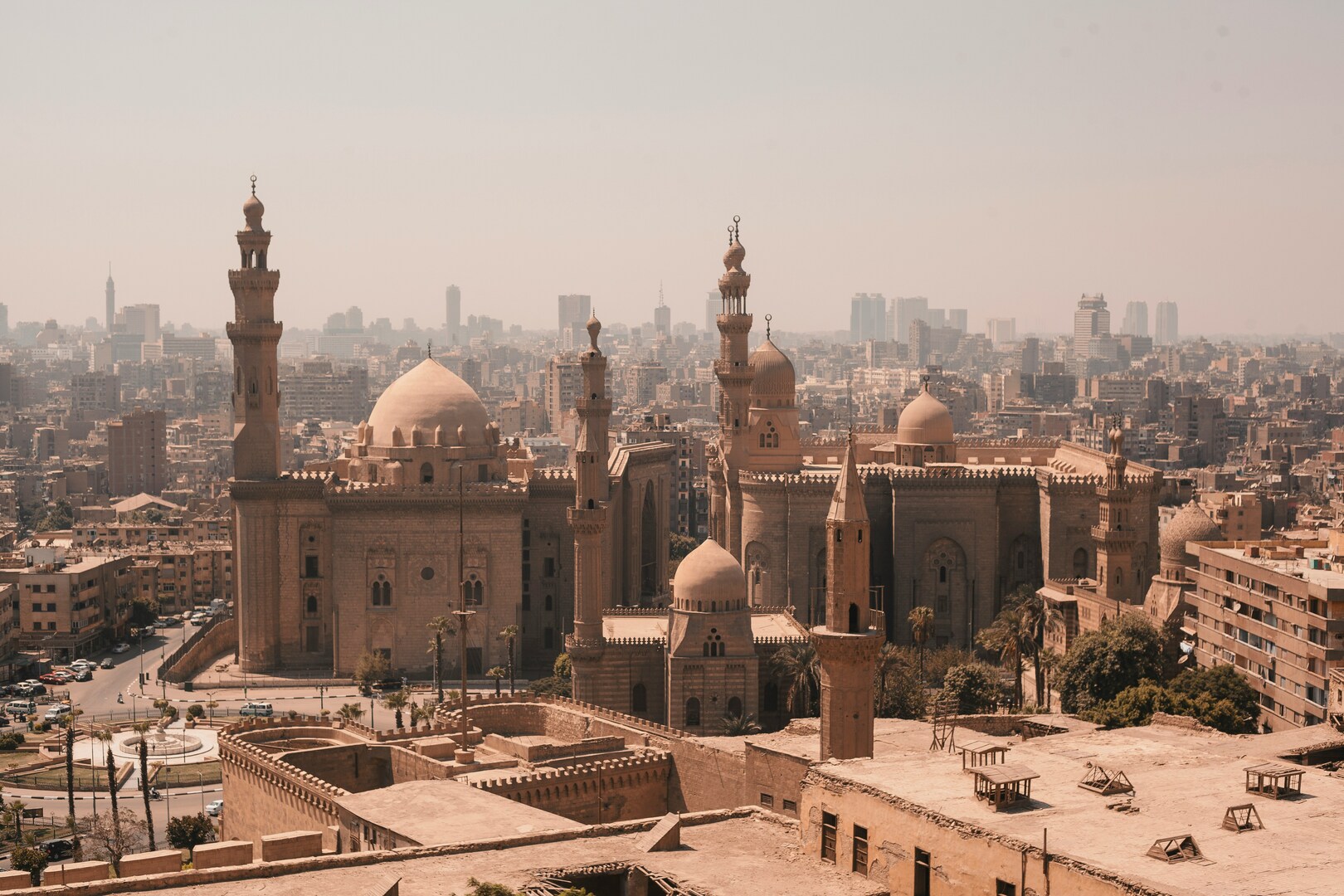
Family-friendly Nile-side attraction • living history displays • day-trip friendly
